
Inclusivity in Design
Inclusive design is an approach to interiors that considers the diverse ways people experience and interact with spaces. It recognises that individuals differ in age, mobility, sensory perception, and lifestyle, and aims to create environments that are comfortable, usable, and welcoming for as many people as possible. Rather than designing for a single “typical” user, inclusive design accounts for a wide range of human needs. This may involve considering how people move through a space, how clearly they can see and navigate their surroundings, how lighting and acoustics affect comfort, and how layouts support independence and ease of use. Thoughtful design choices, such as clear circulation, adaptable layouts, supportive lighting, and intuitive spatial planning, can make everyday environments easier to navigate and more enjoyable to use. These considerations not only improve accessibility but also enhance the overall experience of a space. When inclusivity is considered from the beginning of a design process, interiors become more flexible, supportive, and future-ready, allowing spaces to adapt as people’s needs change over time.
Explore the Essentials of Biophilic Design
Accessible Spatial Planning
Spaces should be easy to navigate and free from unnecessary barriers. Thoughtful layouts, clear circulation routes, and well-considered spatial proportions help ensure that interiors can be comfortably used by people with different mobility levels and physical needs.
Sensory Comfort and Clarity
Inclusive interiors consider how people experience a space through sight, sound, and touch. Balanced lighting, reduced glare, clear visual contrast, and thoughtful acoustics can make environments easier to understand and more comfortable for everyone.
Adaptable Living Environments
People’s needs change over time. Flexible layouts, adaptable furniture, and thoughtful design choices allow spaces to evolve alongside the people who use them, supporting independence, comfort, and long-term usability.
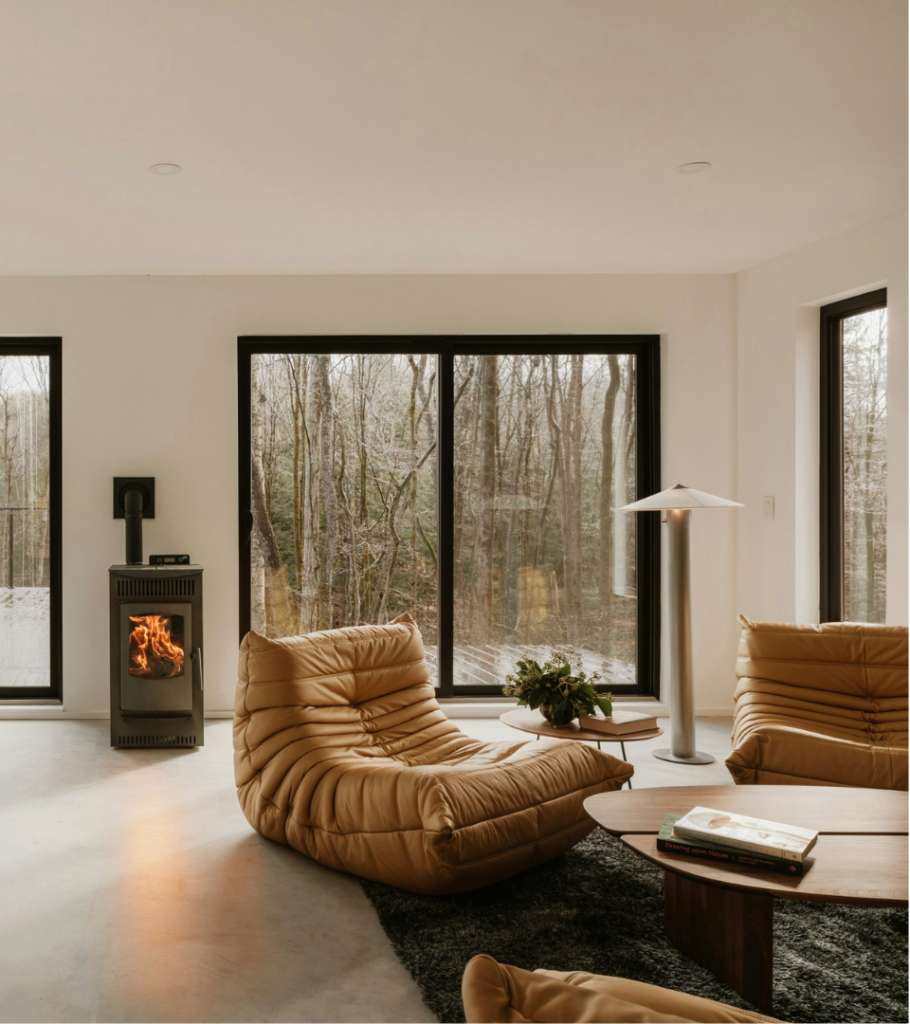
Circulation
Circulation refers to how people move through a space. In inclusive design, circulation routes should be clear, intuitive, and free from unnecessary obstacles. Generous pathways, thoughtful furniture placement, and logical spatial layouts help ensure that spaces are easy to navigate for people with different mobility levels, including those using mobility aids, pushing prams, or carrying everyday items. When circulation is well considered, interiors feel more open, comfortable, and effortless to move through, improving both accessibility and the overall experience of the space.
Layouts
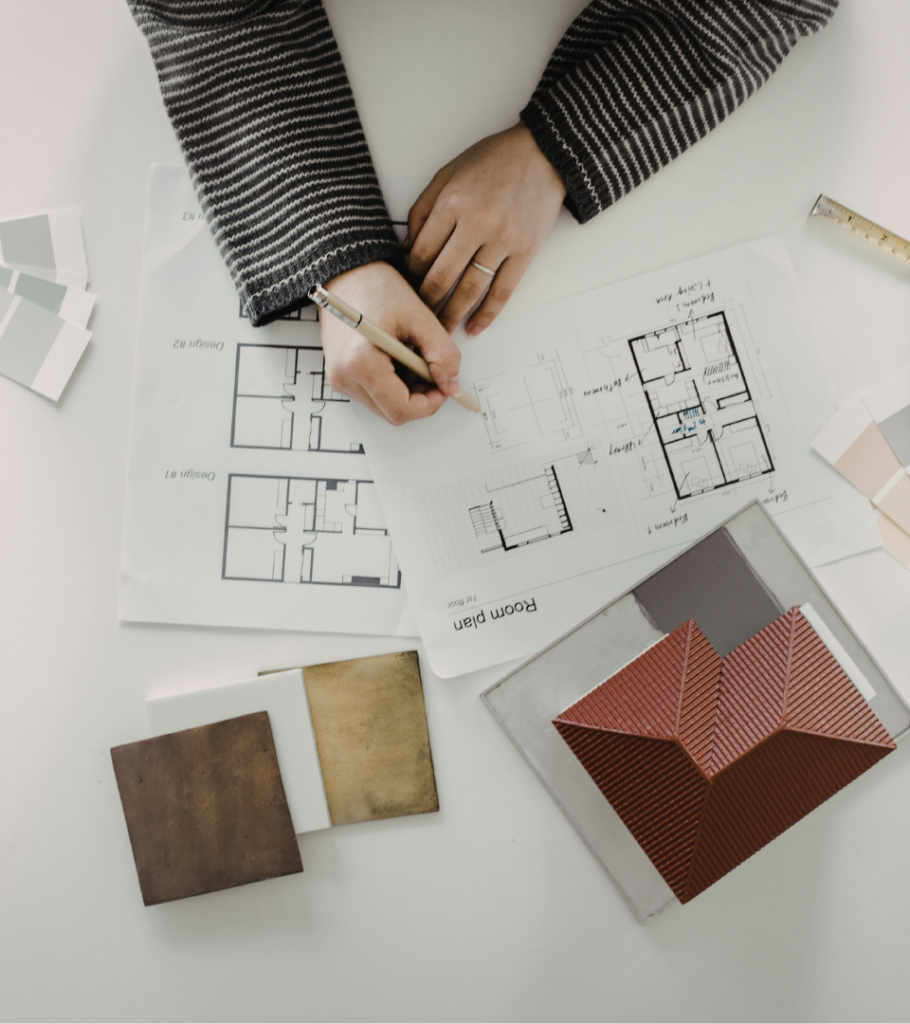
Adaptable layouts allow spaces to respond to changing needs over time. Rather than creating fixed environments that only suit one stage of life, inclusive design considers how a space might evolve as lifestyles, family structures, or physical abilities change. Flexible room arrangements, movable furniture, and multi-functional areas can support different uses throughout the day or over the years. By allowing interiors to adjust and grow with their occupants, adaptable layouts help create homes that remain comfortable, practical, and supportive in the long term.
Lighting
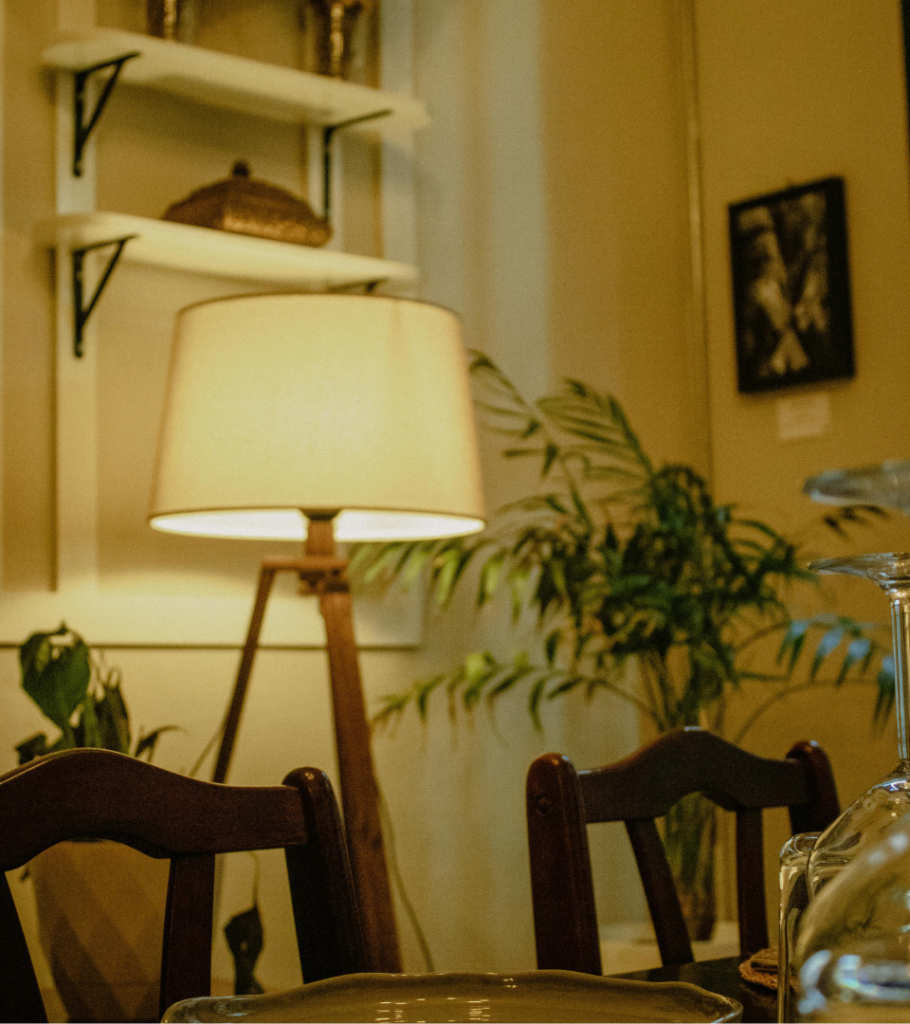
Lighting plays an important role in how people perceive and navigate a space. Supportive lighting considers both natural and artificial light to create environments that are comfortable, safe, and easy to use. Well balanced lighting can reduce glare, improve visibility, and highlight important features such as steps, pathways, and work surfaces. Using a combination of ambient, task and accent lighting helps support a variety of activities while accommodating different visual needs. Thoughtful lighting design not only improves accessibility but also contributes to overall comfort and wellbeing within a space.