
Biophilic Design
Biophilic design is an approach to interiors that reconnects people with nature through the thoughtful use of light, natural materials, organic forms, and sensory elements. Rooted in the understanding that humans have an innate need to feel connected to the natural world, it extends far beyond simply adding plants. It considers how daylight enters a space, how textures feel, how air circulates, and how materials contribute to both wellbeing and sustainability. At Verda Living Studio, biophilic design is woven into every project to create environments that feel calm, restorative, and carefully considered. By intentionally integrating nature into the built environment, we help clients experience spaces that not only look beautiful but actively support health, productivity, and long-term comfort, making design an investment in everyday wellbeing.
Explore the Essentials of Biophilic Design

Nature-Integrated Interiors
We thoughtfully incorporate natural materials, organic forms, and sensory elements to create spaces that feel grounded, calming, and deeply connected to the natural world.

Restorative Spatial Planning
Our designs prioritise daylight, airflow, texture, and visual connection to nature, fostering environments that support mental clarity, emotional balance, and everyday wellbeing.

Wellbeing-Centred Living
By weaving biophilic principles into each project, we create interiors that reduce stress, enhance comfort, and nurture a healthier relationship between people and their surroundings.
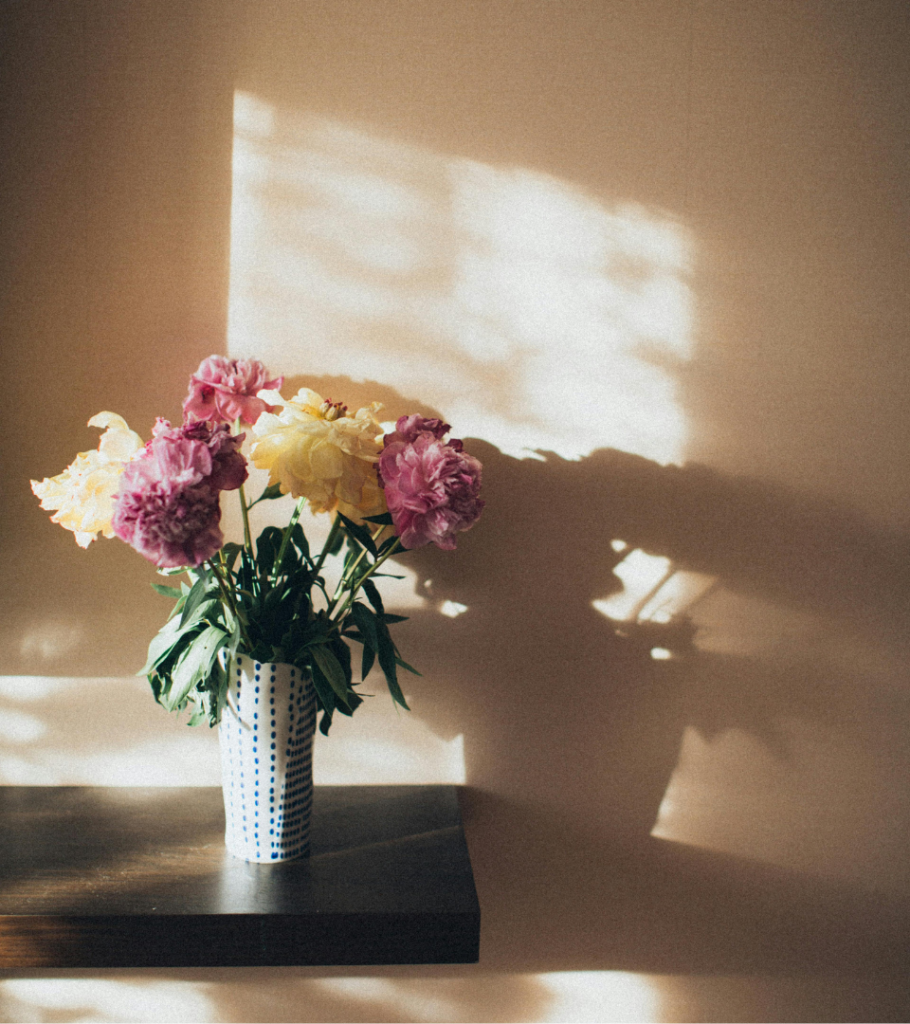
Daylight
Daylight plays a fundamental role in biophilic interior design, influencing both how a space looks and how it feels to inhabit. Natural light supports our circadian rhythms, helping to regulate sleep patterns, mood, and energy levels throughout the day. Thoughtful positioning of windows, glazing, reflective surfaces, and spatial layouts can maximise daylight penetration while reducing reliance on artificial lighting. Beyond energy efficiency, daylight enhances colour accuracy, highlights material textures, and creates a dynamic atmosphere that shifts gently with the time of day.
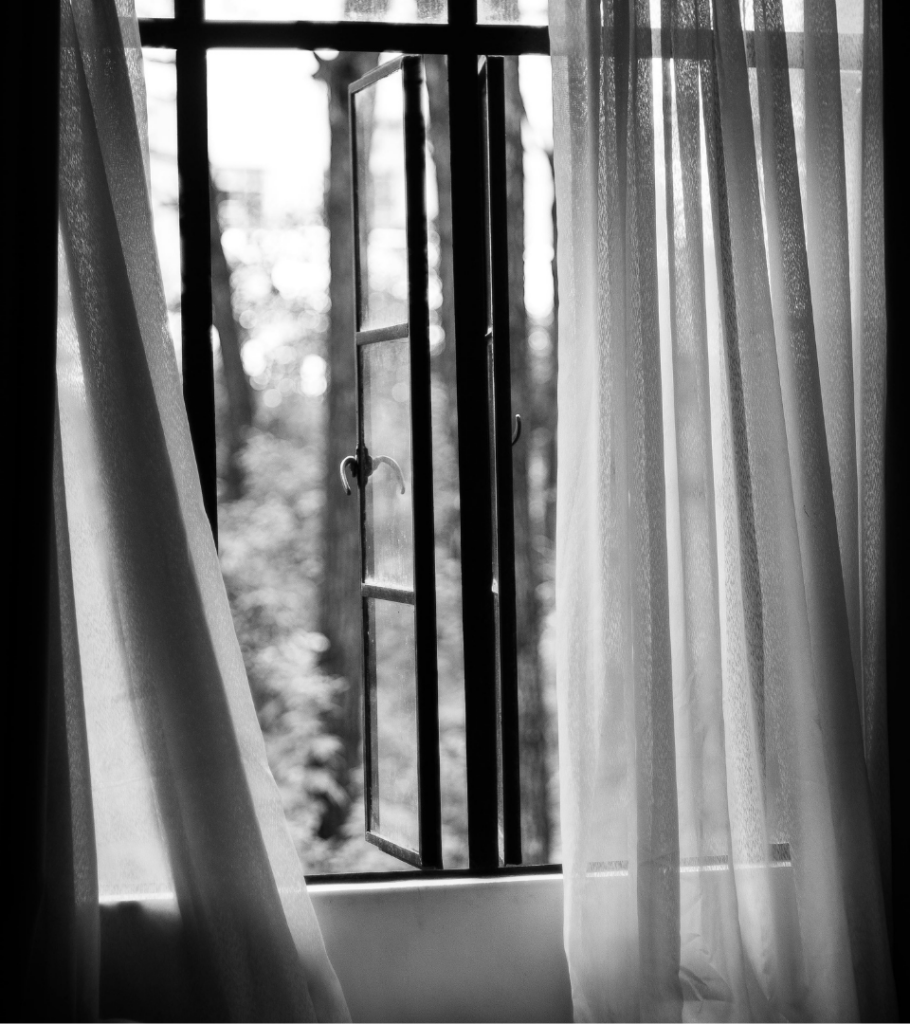
Air circulation
Air circulation is an essential yet often overlooked element of interior design. Fresh, well-distributed air supports concentration, comfort, and overall health by reducing indoor pollutants, regulating humidity, and preventing stagnant environments. Thoughtful spatial planning, operable windows, cross-ventilation strategies, and breathable natural materials all contribute to healthier airflow within a space. Good ventilation not only improves indoor air quality but also enhances thermal comfort, reducing reliance on mechanical cooling and heating systems.
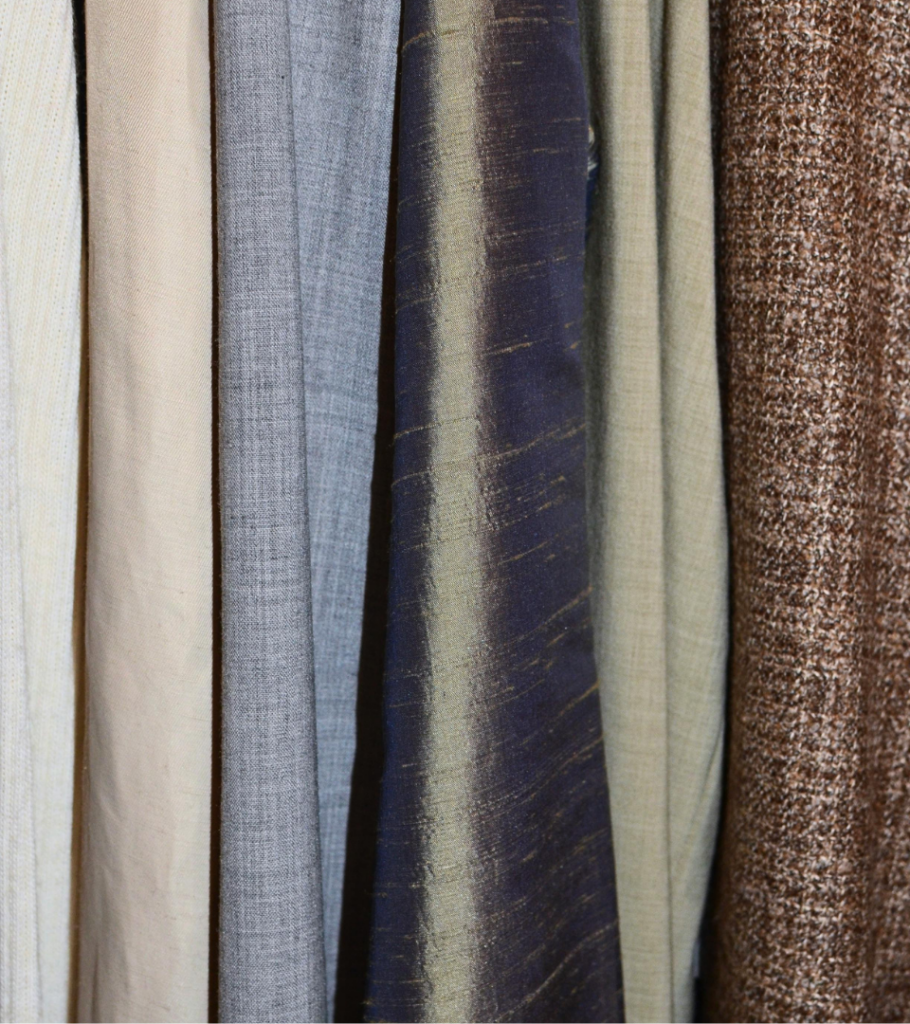
Textures
Texture plays a powerful role in interior design because it engages the senses and deepens our connection to a space. Natural textures such as timber grain, stone, linen, wool, clay, and woven fibres introduce warmth, tactility, and visual depth that synthetic surfaces often lack. These materials reflect the irregularity and richness found in nature, helping interiors feel layered, grounded, and authentic. Beyond aesthetics, texture influences how a space is experienced emotionally, creating comfort, softness, and a sense of calm.