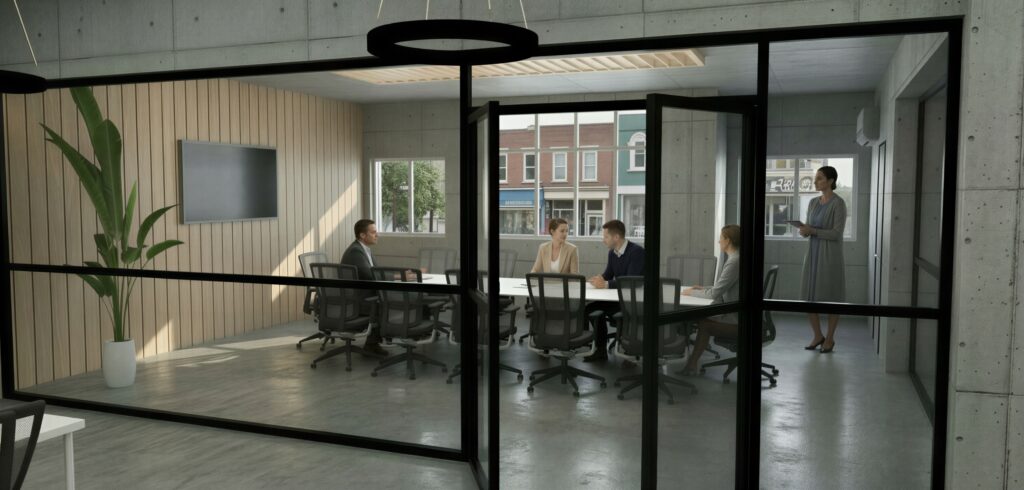
ESI Office
A private workspace designed to support focus, clarity, and everyday wellbeing.
Project Overview
- Type: Private Office
- Status: Built: Original concept shown
- Scope: Interior design, spatial planning, material strategy
- Focus: Wellbeing, spatial efficiency, biophilic integration
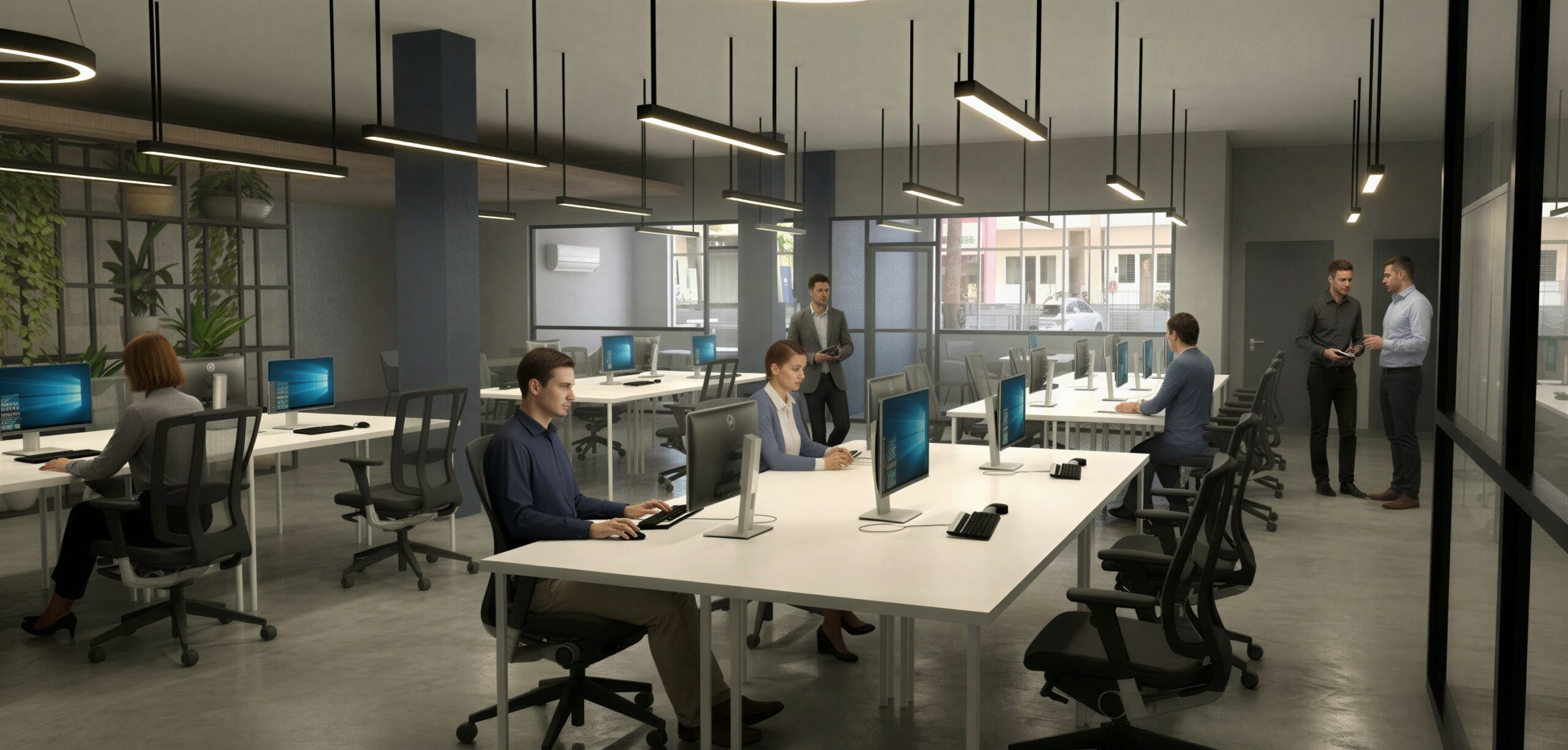
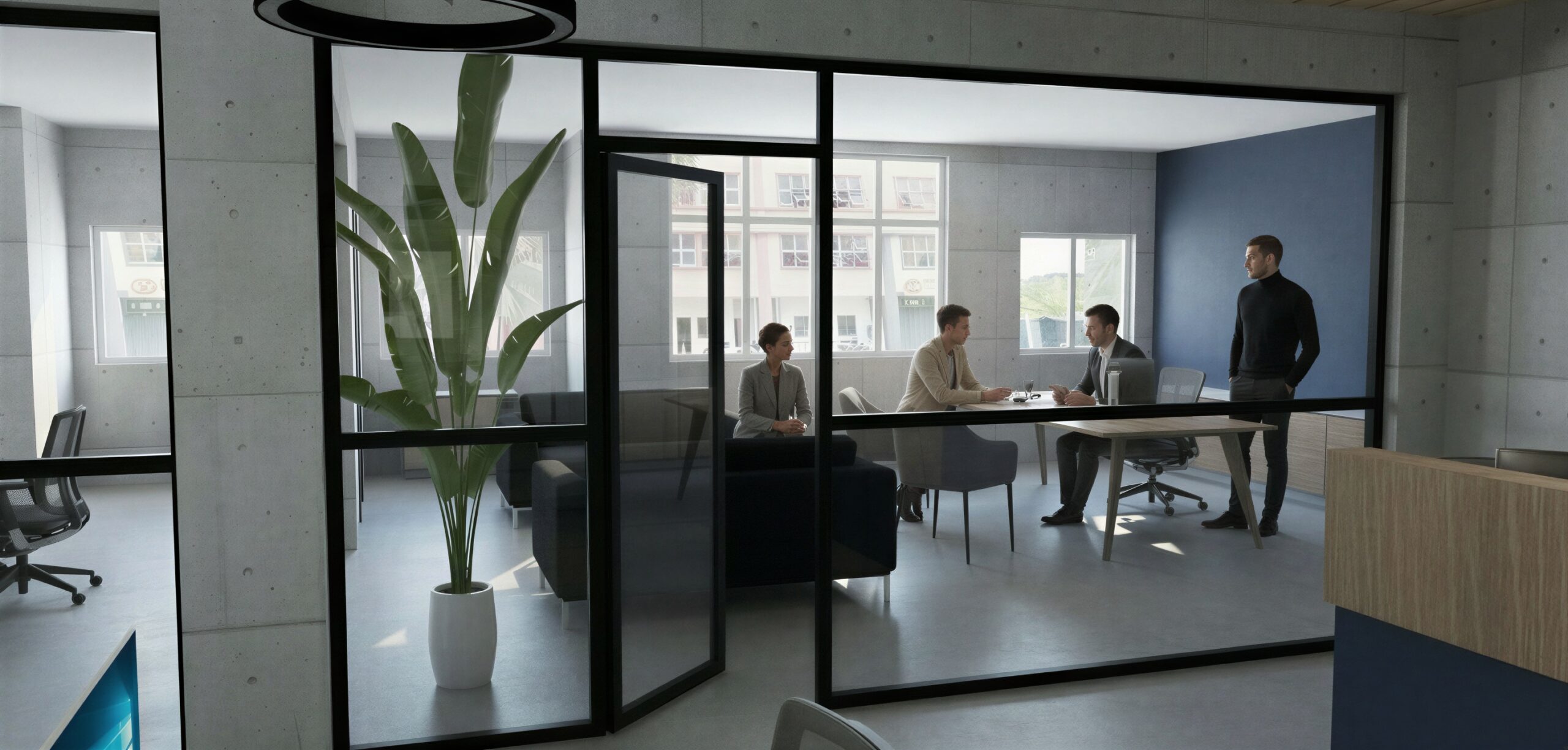
A previously underutilised office space has been reimagined as a calm, functional environment that supports both focused work and everyday wellbeing. The design introduces a considered balance of material warmth, spatial clarity, and subtle biophilic elements to enhance comfort, productivity, and visual ease.
Project Overview
- Type: Private Office
- Scope: Interior design, spatial planning, material strategy
- Focus: Wellbeing, spatial efficiency, biophilic integration
A previously underutilised office space has been reimagined as a calm, functional environment that supports both focused work and everyday wellbeing. The design introduces a considered balance of material warmth, spatial clarity, and subtle biophilic elements to enhance comfort, productivity, and visual ease.
The Challenge
The existing space presented a number of constraints that limited both functionality and user experience:
- A visually flat interior with minimal material contrast
- Limited spatial definition between working zones
- A lack of natural warmth and connection to organic elements
- An underutilised layout that restricted flow and usability
- A neutral but uninspiring atmosphere that did not support focus or comfort
The Challenge
The existing space presented a number of constraints that limited both functionality and user experience:
- A visually flat interior with minimal material contrast
- Limited spatial definition between working zones
- A lack of natural warmth and connection to organic elements
- An underutilised layout that restricted flow and usability
- A neutral but uninspiring atmosphere that did not support focus or comfort
The Design Response
Spatial Planning
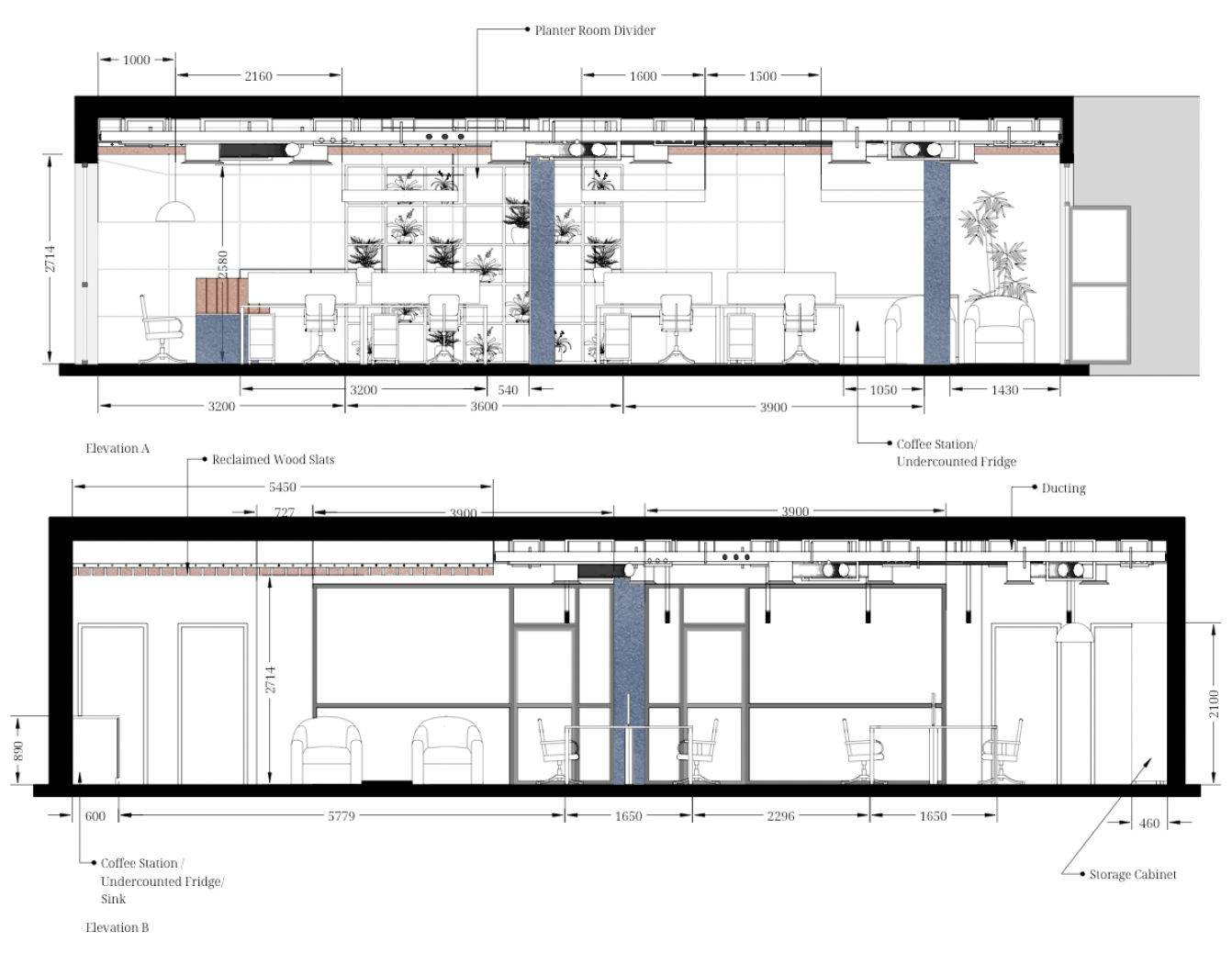
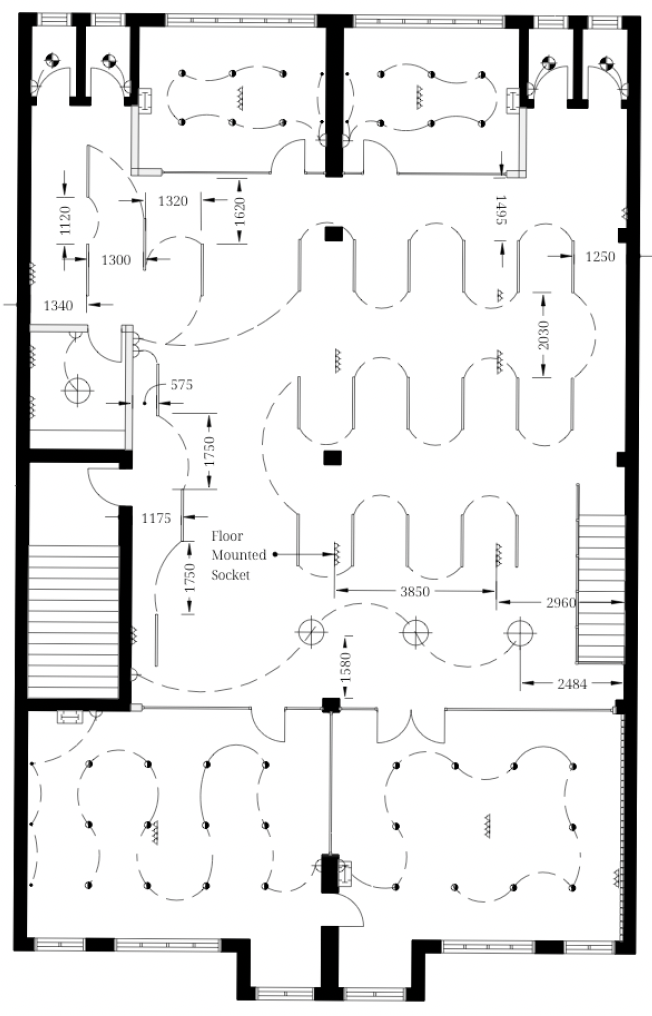
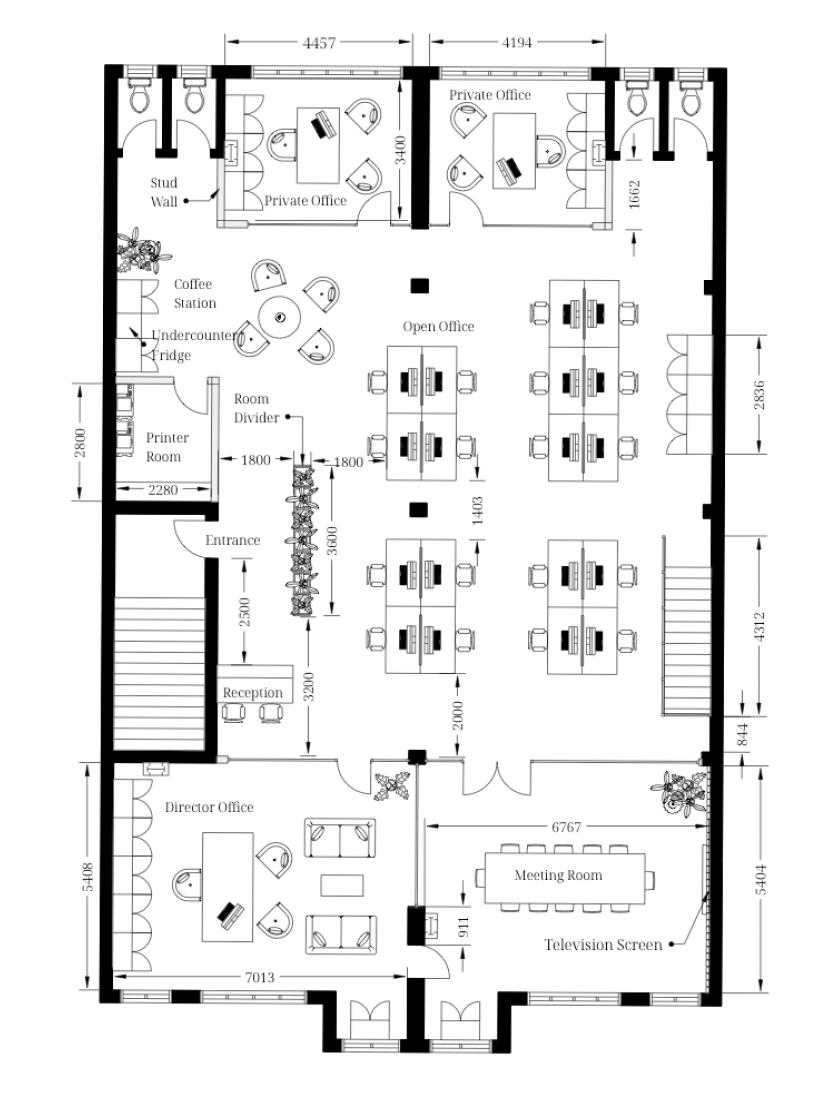
The layout was refined to create clearer zoning within the office, improving circulation and establishing a more intuitive relationship between furniture and movement. The placement of key elements was carefully considered to maximise usability while maintaining a sense of openness.
Material & Texture
A restrained palette of natural materials was introduced to soften the space and add depth. Warm wood finishes contrast against a clean architectural backdrop, creating a more balanced and inviting environment while maintaining a professional aesthetic.
Light & Atmosphere
The design works to enhance the perception of light within the space, allowing surfaces and materials to reflect and distribute brightness more evenly. This contributes to a calmer visual environment and reduces the sense of enclosure.
Biophilic Integration
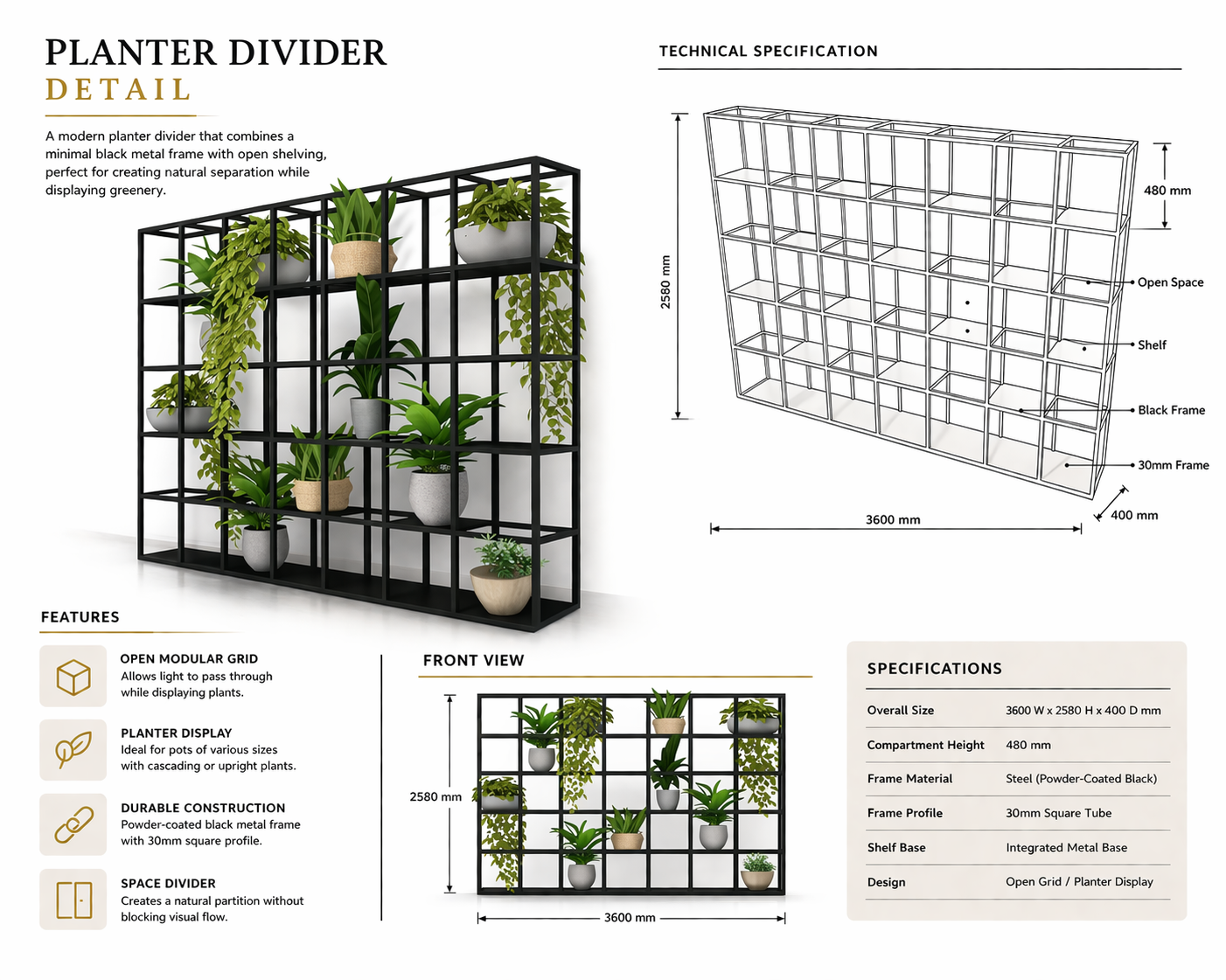
Subtle biophilic principles were embedded through material selection and visual softness rather than overt application. The introduction of natural textures and tonal variation supports a more grounded and restorative workspace.
The Outcome
The result is a composed and functional office environment that balances clarity with warmth. The space now supports a more focused and comfortable way of working, while introducing a quiet connection to natural elements through materiality and tone.
The Outcome
The result is a composed and functional office environment that balances clarity with warmth. The space now supports a more focused and comfortable way of working, while introducing a quiet connection to natural elements through materiality and tone.
Key Features
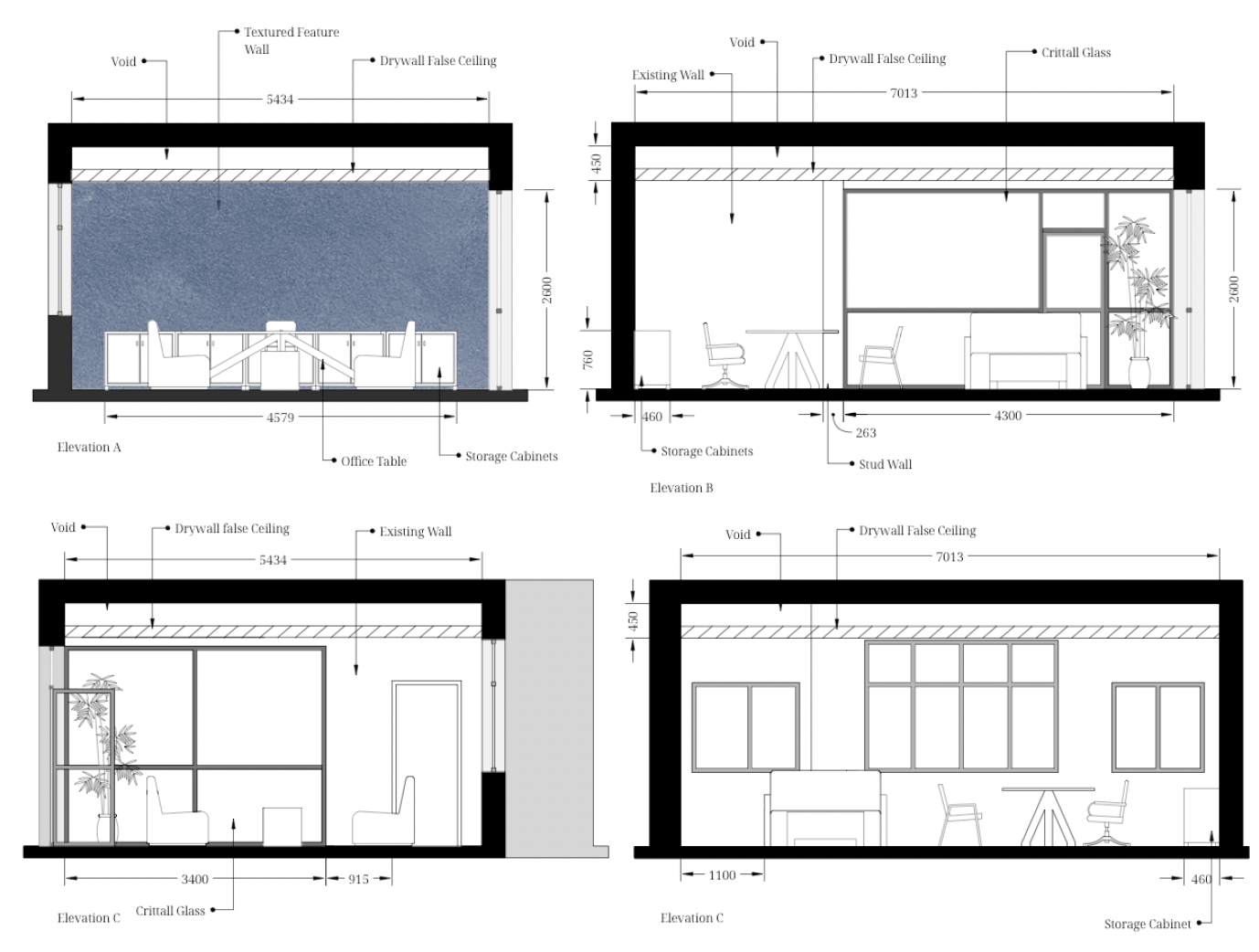
- Integrated storage with natural wood finishes
- A defined seating area positioned to support both rest and informal working
- Clean-lined spatial organisation to reduce visual clutter
- Material contrast used to subtly define zones within a compact footprint