
Sustainability within Interiors
Sustainability in interior design is about creating spaces that are healthier, longer-lasting, and more considerate of the world around us. It goes beyond simply choosing “eco” products, it involves thoughtful material selection, reducing harmful chemicals, designing for durability, and considering how a space will function over time. Sustainable interiors often improve indoor air quality, support wellbeing, reduce waste, and can even lower long-term maintenance and energy costs.
At Verda Living Studio, we approach sustainability as a practical and meaningful design principle. By combining natural materials, conscious spatial planning, and timeless aesthetics, we help clients create environments that feel calm, beautiful, and responsibly crafted. Whether you are renovating a home or designing a commercial space, sustainable choices are not just better for the planet, they are an investment in quality, comfort, and long-term value.
Experience the Transformative Power of Sustainable Living

Eco-Conscious Material Selection
We prioritise long-lasting, responsibly sourced materials that reduce environmental impact and promote healthier living spaces.

Waste Reduction and Recycling
Our approach minimises waste through thoughtful design and repurposing, ensuring a sustainable lifecycle for every project.

Enhanced Wellbeing and Comfort
Sustainable interiors foster a quieter, cleaner home environment that supports your health and creates a peaceful sanctuary.
Material Selection
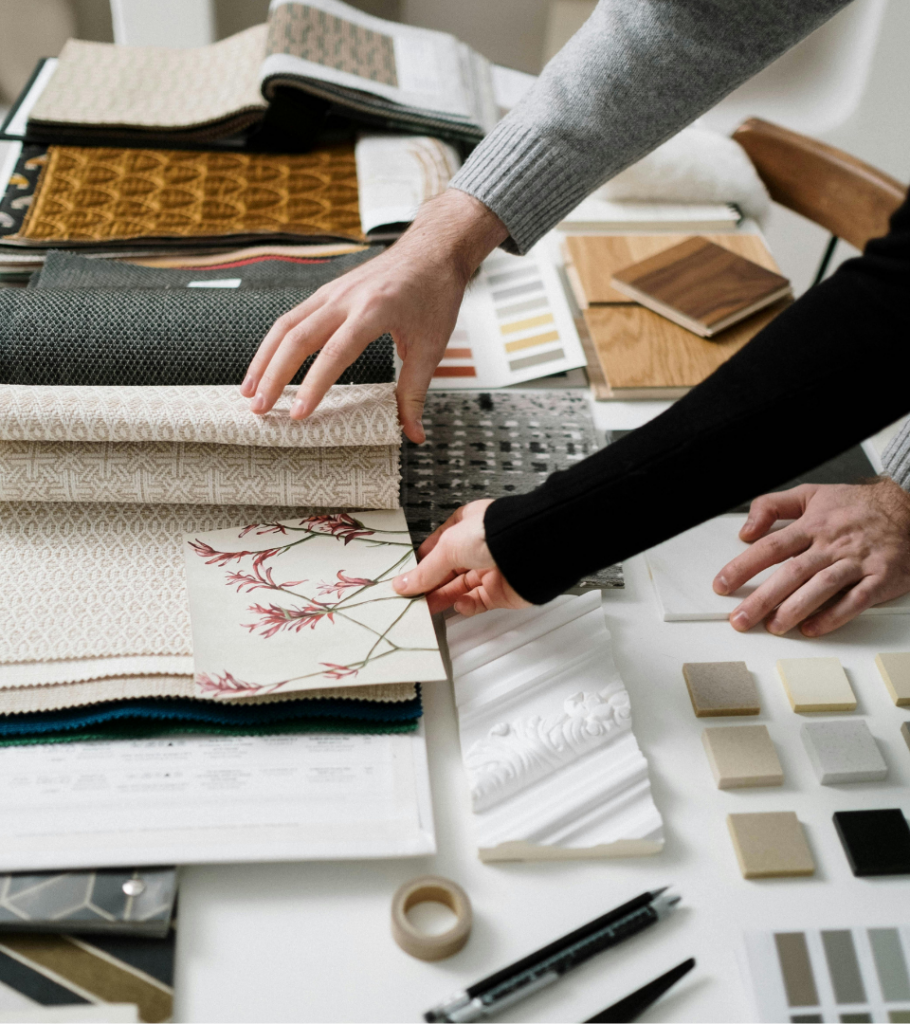
Material selection plays a crucial role in sustainable interior design. The materials used within a space directly affect indoor air quality, durability, environmental impact, and overall wellbeing. Choosing responsibly sourced timber, natural fibres such as wool, linen or sisal, low-VOC paints and finishes, and products with verified environmental certifications can significantly reduce harmful emissions and long-term waste. Beyond sustainability labels, it is also about understanding the lifecycle, how a material is produced, how long it will last, how it can be maintained, and whether it can be repaired, reused, or recycled at the end of its life. By prioritising quality, transparency, and longevity over short-term trends, material choices become an investment in both environmental responsibility and enduring design.
Reducing Harmful Chemicals
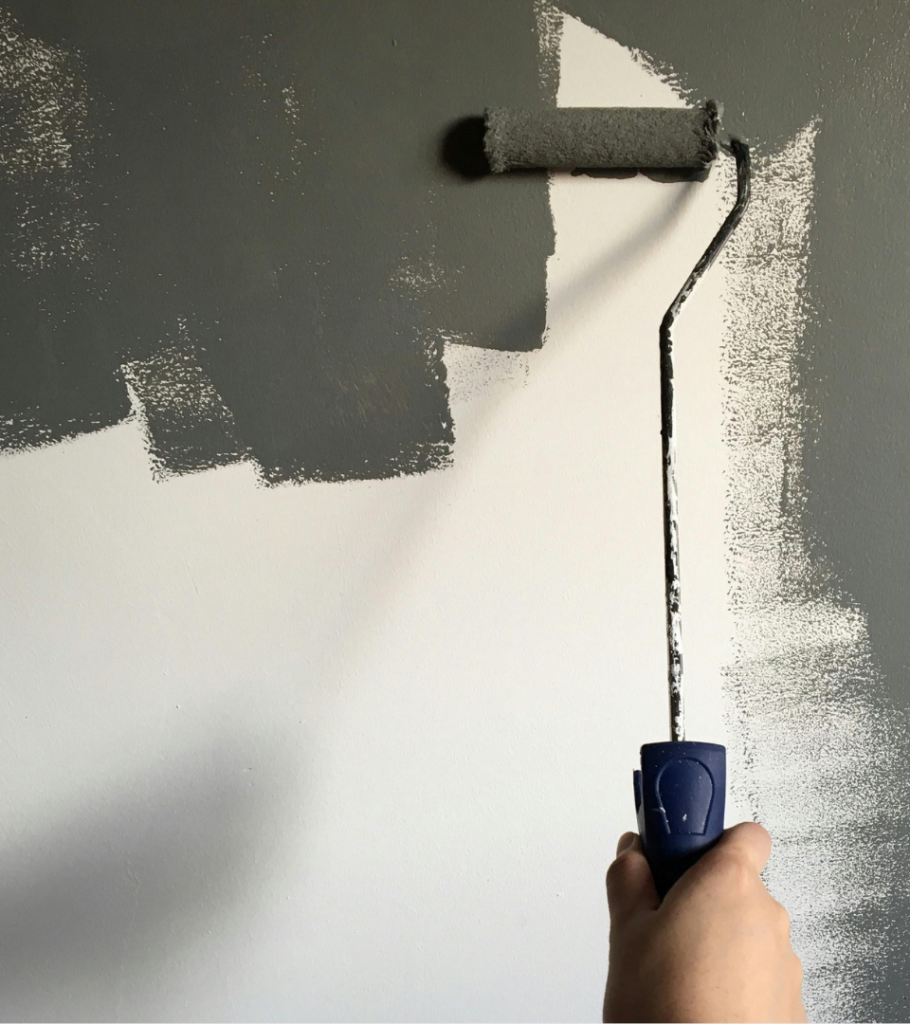
Reducing harmful chemicals is a fundamental part of creating healthier interiors. Many conventional paints, adhesives, sealants, composite woods, and synthetic finishes can release volatile organic compounds (VOCs) and other pollutants into the air long after installation. These emissions may contribute to headaches, respiratory irritation, allergies, and long-term health concerns, particularly in spaces where we spend most of our time, such as homes and workplaces. By selecting low-VOC or zero-VOC paints, formaldehyde-free cabinetry, natural finishes, and non-toxic sealants, it is possible to significantly improve indoor air quality. Thoughtful specification not only protects immediate health but also creates calmer, more breathable environments that support overall wellbeing. Sustainable design, in this sense, is not just about environmental responsibility, it is about safeguarding the health of the people who inhabit the space every day.
Energy Efficiency
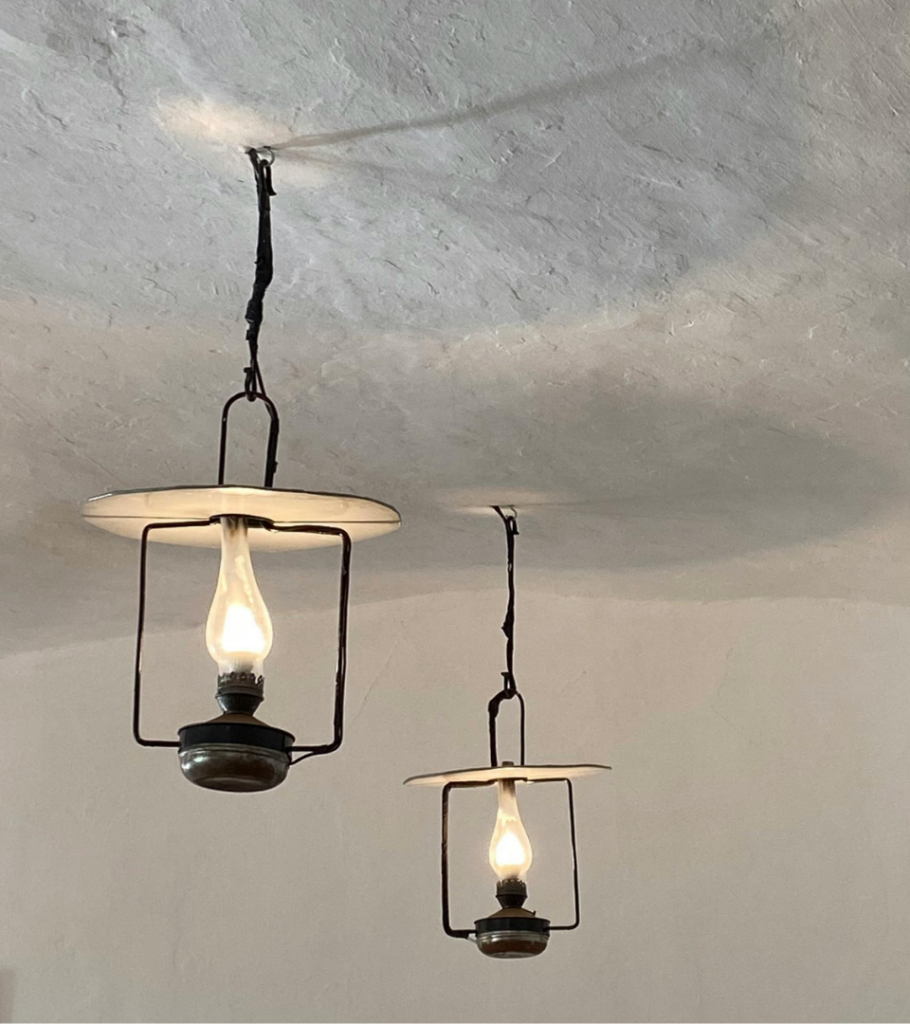
Energy efficiency is another key pillar of sustainable interior design, with clear long-term financial benefits. Thoughtful space planning, improved insulation, energy-efficient lighting, and the integration of smart systems can significantly reduce energy consumption without compromising comfort or aesthetics. Choosing LED lighting, optimising natural daylight, incorporating thermal window treatments, and specifying energy-rated appliances all contribute to lower utility bills over time. While some sustainable upgrades may require a slightly higher initial investment, they often result in measurable savings through reduced energy use and maintenance costs. By designing with efficiency in mind from the outset, interiors become not only environmentally responsible but economically sensible, delivering ongoing value long after the project is complete.
Circular Design and Reducing Waste
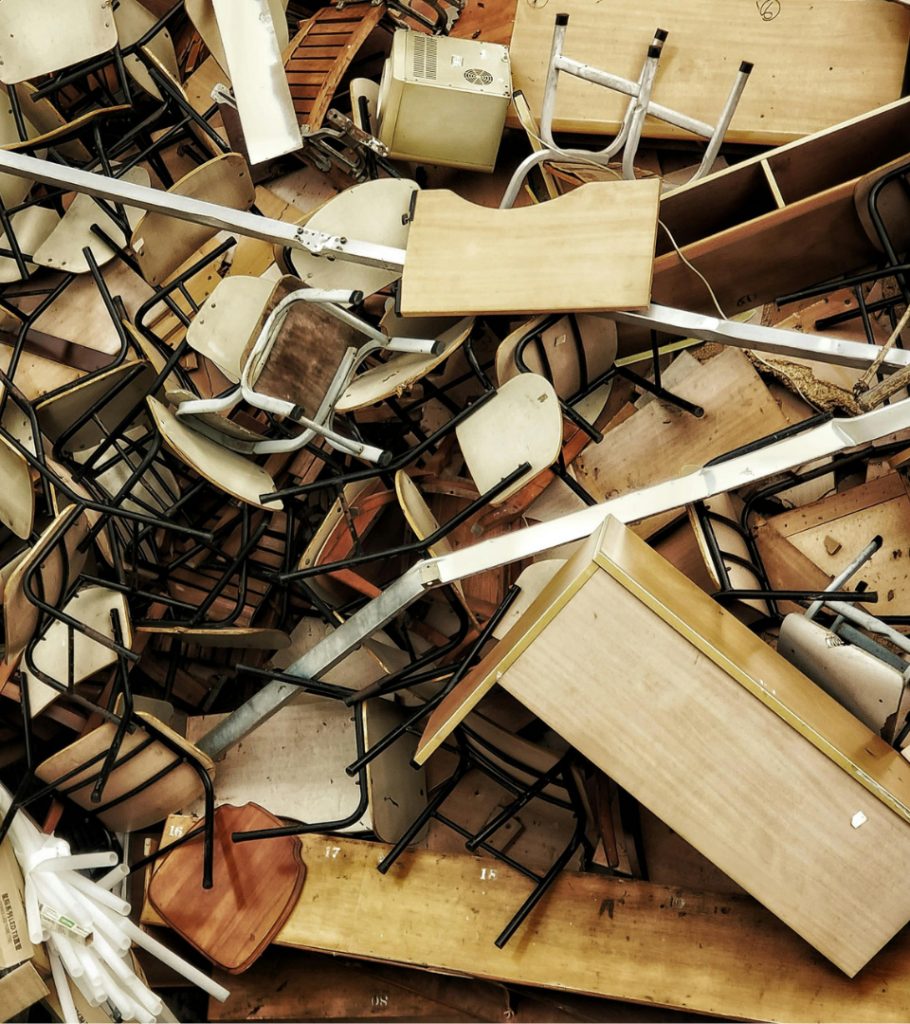
Circular design focuses on reducing waste by rethinking how materials and furnishings are sourced, used, and repurposed over time. Instead of following a linear “buy, use, discard” model, circular interiors prioritise durability, adaptability, and reuse. This may involve restoring existing architectural features, specifying modular furniture that can evolve with changing needs, selecting materials that can be repaired rather than replaced, or choosing products made from recycled or renewable resources. Designing with disassembly in mind, so elements can be removed, reused, or recycled at the end of their lifecycle, further reduces environmental impact. By considering longevity and flexibility from the outset, circular design minimises unnecessary waste while creating interiors that remain relevant, functional, and beautiful for years to come.
Begin Your Journey to Sustainable Living Now
Discover how embracing sustainable interiors can improve your wellbeing and reduce environmental impact.